Barndominium Builders in Snohomish County, Washington
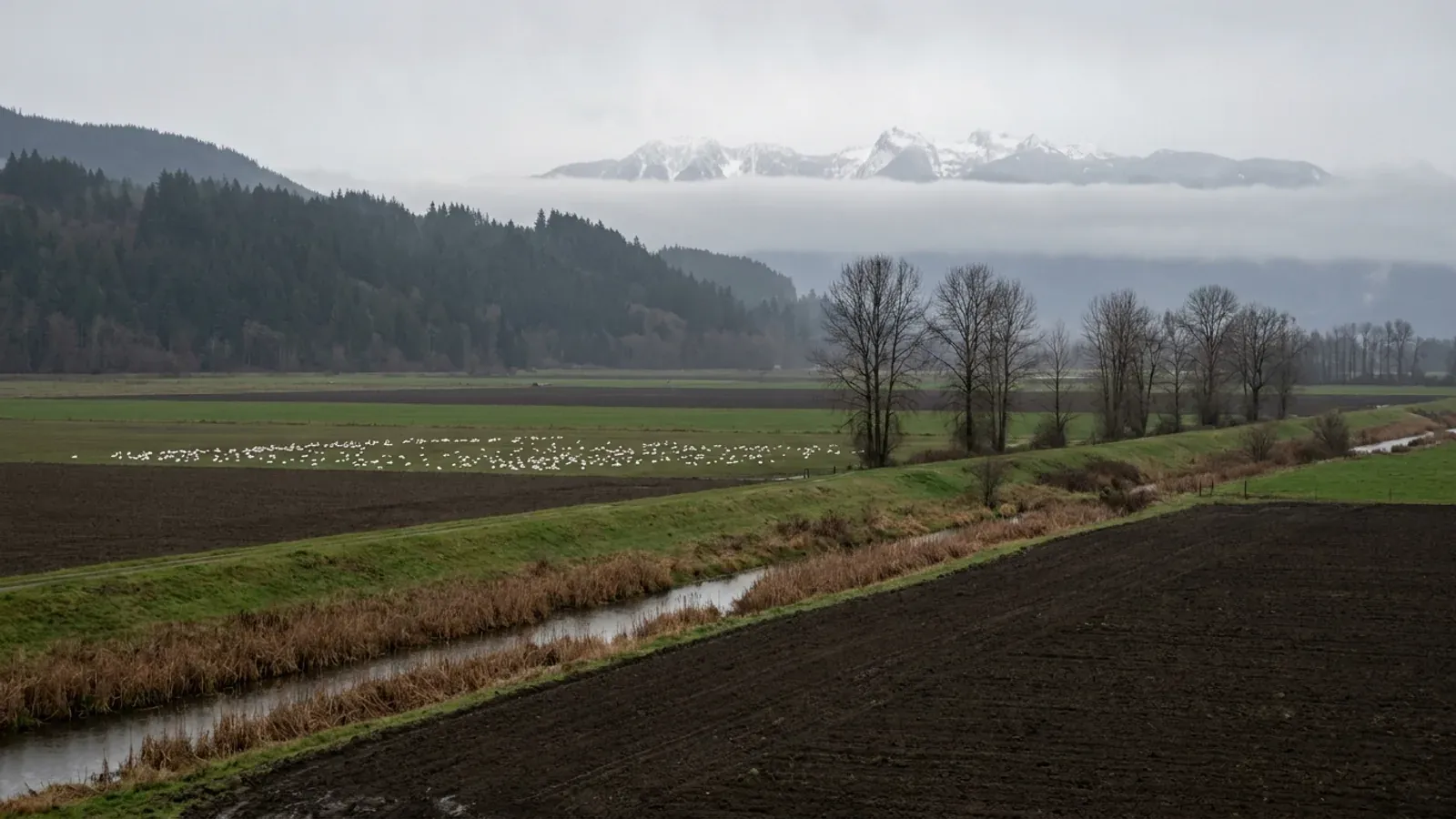
Most of the acreage buyers want north of Seattle is in unincorporated Snohomish County, from the river valleys up into the forested foothills. That is where a barndominium with a real shop bay, a horse barn or a detached equipment building usually fits, rather than on a city lot in Everett or Marysville. The county's Planning and Development Services office permits building outside city limits, its rural zones are written to keep large residential lots, and the health department permits septic. The part that catches buyers is water: what you must prove before a building permit depends on which watershed the parcel sits in. Barndominium kits fit owners who will raise the shell themselves, and our turnkey builds cover site work through finish for owners who want one team. Give us the parcel number and we will check the zone, the watershed and the septic site before anything is drawn.
Snohomish County at a glance
- County
- Snohomish County
- Building permit
- County building department
- Land use
- County rural and resource zoning
- Wastewater
- Septic permit from the health jurisdiction
- Water
- Public water or a well
Barndominium Builders Near Snohomish County
From a turnkey build to a shell you finish yourself, the work starts with the parcel: the access, the building pad, the route to sewer or septic, and the water source. The parcel decides the budget more than the floor area does, so each option is priced against your land rather than a rate card.
Turnkey Builds
Turnkey barndominiums in Washington State: one team from land and permits to the finished, inspected house, with water, septic and energy code planned in.
Custom Plans
Custom barndominium plans for Washington State: floor plans and permit drawings with the energy code credits and your site's design values built in.
Site Preparation
Barndominium site preparation in Washington State: clearing, grading, drainage and pads, planned around the well, septic area, wetlands and the climate.
Permitting
Barndominium permits in Washington State: city or county building permit, water supply evidence, septic permit, energy code credits and rural zoning.
Barndominium Kits and Pole Barn Homes in Snohomish County
A kit suits an owner who wants to raise the shell with their own crew. A pole barn home sets its frame on posts and trusses (the engineering term is post-frame construction) and suits a wide, simple layout with a shop bay under the same roof; a metal building home uses a bolted steel frame. Which one fits your parcel comes down to the zoning, the site and the design values the local building office publishes, covered below.
Barndominium Kits
Barndominium kits and shell kits for Washington State land: frame, panels and drawings, sized to the design values your city or county sets for the site.
Pole Barn Homes
Pole barn homes and pole barn house kits for Washington State: post-frame buildings with a shop and living space, designed to your county's snow load.
Metal Homes
Metal building homes in Washington State: steel-clad houses finished to the state energy code, with the insulation and condensation details done right.
Building a Barndominium in Snohomish County: Permits, Zoning, Septic and Water
On rural land the zoning, septic and water answers often come before the building answer. Here is who decides each part in Snohomish County, taken from the office or document that publishes it. Rules change, so check them again against your parcel before anything is drawn.
Snohomish County Planning and Development Services (PDS)
PDS permits homes and accessory buildings on land in unincorporated Snohomish County, and says it holds records only for that land: if a property is within a city's limits, the owner contacts that city instead. The PDS Map Portal shows whether a parcel is in a city or unincorporated. Cities and towns in the county permit separately.
Source: PDS Public Records and Information, Snohomish County (snohomishcountywa.gov)
Snohomish County Planning and Development Services
Growth Management Act planning leaves rural density to the county plan and lot size to the county zoning code. Snohomish County's code describes the Rural-5 Acre zone as keeping rural character where urban services are lacking, requires large residential lots in its most remote rural areas, and reserves Agriculture-10 Acre and Forestry zones for resource land.
Source: 30.21.025 Intent of zones, Snohomish County Code (snohomish.county.codes)
Snohomish County Health Department
A new home that will not connect to sewer starts with the Snohomish County Health Department's design and application phase. Only licensed on-site wastewater designers and professional engineers may design the system, and the designer submits it; installation then follows under a separate permit phase.
Source: Septic Permit Steps, Snohomish County Health Department (snohd.org)
Snohomish County PDS, with the Health Department for wells
Every permit needing drinking water requires proof of supply: a purveyor letter, a water right, or a declared permit-exempt well. In WRIA 7 or 8, a new exempt well is limited to 950 gallons a day on average, with a recorded title notice, on-site stormwater and a $500 fee. WRIA 5 needs a purveyor letter saying it cannot serve; WRIAs 3 and 4 need a county-approved mitigation plan.
Source: Water Supply for Building Permits and Subdivision Approvals, Snohomish County (snohomishcountywa.gov)
- Pole buildings as homes
- The county's Pole Buildings Assistance Bulletin #113 (revised September 2025, unincorporated land only) says a standard pole barn is designed as Risk Category I because it is normally unoccupied, while residences are Risk Category II, so using a pole barn design as a residence requires engineered plans.
Source: Pole Buildings Assistance Bulletin #113, Snohomish County Planning and Development Services (snohomishcountywa.gov)
Building on land near Snohomish County
Check three things before making an offer: the zone, the watershed, and the soils. The county's parcel tools show the zoning, and its water-supply page links a WRIA finder, which tells you whether a new well carries a recorded use limit, needs a purveyor letter first, or needs a mitigation plan. Then have a licensed designer look at the soils, because the septic design comes before the building permit on land without sewer. Low valley ground along the rivers can sit in flood hazard areas that need their own permit, and forest-zoned land is meant for timber rather than homesites. For a pole barn home, budget for engineered plans rather than a standard farm-building design.
Other places in this part of Washington
Everett, Bellingham & the North Sound
- Everett
- Marysville
- Mount Vernon
- Bellingham
- Snohomish County
- Skagit County
- Whatcom County
- Island County
Have land in or near Snohomish County? Tell us about the parcel and what you want on it, and we will check it against the local rules before anything is drawn.
Building in Snohomish County: questions
Start the surveyHow much does it cost to build a barndominium in Snohomish County?
Do I need a building permit for a barndominium in Snohomish County?
Can I drill a well for a barndominium in Snohomish County?
Keep reading
What usually comes next once you know what Snohomish County allows.
Barndominium Cost Guide
Sourced per-square-foot ranges by tier and size, and what moves the number on your land.
Read itIs a Barndominium Legal in Washington?
Zoning, rural land, septic, water and who inspects, before you buy the land.
Read itHow Long Does It Take?
From parcel to move-in, and which steps set the clock.
Read itSources for this page
The published pages behind the Snohomish County facts above. Rules change, so check the current version with the office before you rely on it.
- PDS Public Records and Information, Snohomish CountyBuilding permit authoritysnohomishcountywa.gov
- 30.21.025 Intent of zones, Snohomish County CodeLand use and zoningsnohomish.county.codes
- Septic Permit Steps, Snohomish County Health DepartmentSewer or septicsnohd.org
- Water Supply for Building Permits and Subdivision Approvals, Snohomish CountyWater supplysnohomishcountywa.gov
- Pole Buildings Assistance Bulletin #113, Snohomish County Planning and Development ServicesPole buildings as homessnohomishcountywa.gov
Other places near Snohomish County
Nearby places with their own pages. Across a city limit or a county line the permit office, the zoning, the septic program and the water rules can change, so each is covered separately.
Building in Snohomish County?
Start with the survey. Tell us where the land is and what you want on it, and we will come back with which offices decide it, what the zoning allows, and a plan to fit.