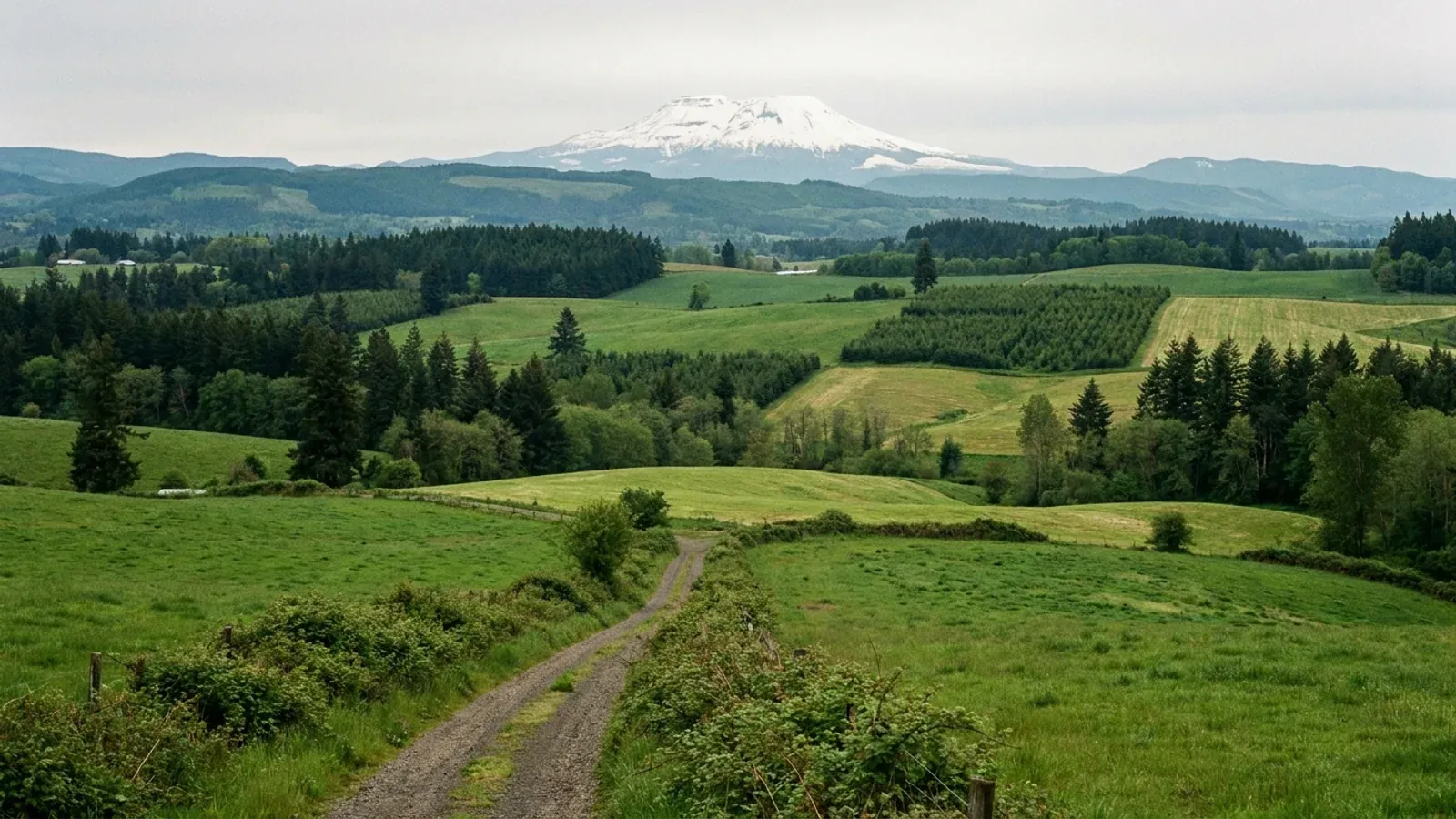
Barndominium Builders in Vancouver, Washington
Vancouver, Washington sits in Clark County on the north bank of the Columbia River, and most of the land inside its limits is built-out city lots served by municipal water and sewer. That shapes what fits here: a barndominium on a Vancouver lot is usually a compact home with an attached garage or shop bay, designed around setbacks and the neighbors, rather than a big steel building on open ground. The city adopted a new comprehensive plan and zoning code that took effect on July 31, 2026, so earlier zoning research on a lot may be out of date. Buyers who want room for a pole barn, horses or a long equipment bay usually end up in the rural parts of Clark County, north and east of the city, where the county issues the permit and the land runs on wells and septic. Either way, the process starts with the same question: which jurisdiction holds the parcel. We work with owners who want a turnkey build and with those buying barndominium kits to finish themselves, and our custom plans size the living space and shop to the lot you actually have. Send the parcel through the survey and we will check the zone, the utilities and the site before any drawing starts.
Vancouver at a glance
- Principal county
- Clark County
- Building permit
- City building department
- Land use
- City zoning, inside an urban growth area
- Wastewater
- Public sewer
- Water
- Public water system
Barndominium Builders Near Vancouver
From a turnkey build to a shell you finish yourself, the work starts with the parcel: the access, the building pad, the route to sewer or septic, and the water source. The parcel decides the budget more than the floor area does, so each option is priced against your land rather than a rate card.
Turnkey Builds
Turnkey barndominiums in Washington State: one team from land and permits to the finished, inspected house, with water, septic and energy code planned in.
Custom Plans
Custom barndominium plans for Washington State: floor plans and permit drawings with the energy code credits and your site's design values built in.
Site Preparation
Barndominium site preparation in Washington State: clearing, grading, drainage and pads, planned around the well, septic area, wetlands and the climate.
Permitting
Barndominium permits in Washington State: city or county building permit, water supply evidence, septic permit, energy code credits and rural zoning.
Barndominium Kits and Pole Barn Homes in Vancouver
A kit suits an owner who wants to raise the shell with their own crew. A pole barn home sets its frame on posts and trusses (the engineering term is post-frame construction) and suits a wide, simple layout with a shop bay under the same roof; a metal building home uses a bolted steel frame. Which one fits your parcel comes down to the zoning, the site and the design values the local building office publishes, covered below.
Barndominium Kits
Barndominium kits and shell kits for Washington State land: frame, panels and drawings, sized to the design values your city or county sets for the site.
Pole Barn Homes
Pole barn homes and pole barn house kits for Washington State: post-frame buildings with a shop and living space, designed to your county's snow load.
Metal Homes
Metal building homes in Washington State: steel-clad houses finished to the state energy code, with the insulation and condensation details done right.
Building a Barndominium in Vancouver: Permits, Zoning, Septic and Water
On rural land the zoning, septic and water answers often come before the building answer. Here is who decides each part in Vancouver, taken from the office or document that publishes it. Rules change, so check them again against your parcel before anything is drawn.
City of Vancouver Community Development, Residential Building Permits
Inside the city limits a new house goes through the City's Residential Building Permit (RES). Before applying, the City requires a Request for Utility Services, which reports whether water and sewer are available, what capacity exists and what connecting will involve; a pre-application conference within the past year can stand in for it. Plans are submitted electronically and reviewed for zoning, structure and fire.
Source: Residential Building Permits, City of Vancouver (cityofvancouver.us)
City of Vancouver Planning; Clark County for the unincorporated urban growth area
The City Council adopted the Our Vancouver 2026-2045 Comprehensive Plan with a new zoning map and code on June 1, 2026, effective July 31, 2026. The City says the plan and code apply only within its current limits; land in Vancouver's urban growth area outside the city stays under Clark County's comprehensive plan.
Source: City Council adopts Comprehensive Plan to guide Vancouver's growth over the next 20 years, City of Vancouver (cityofvancouver.us)
City of Vancouver Public Works, Wastewater; Clark County Public Health for on-site systems
Most lots inside the limits are on the City's sewer, which the City says serves almost 244,000 residents across 58.6 square miles through 48 pump stations and two treatment plants. Off the sewer, septic permits come from Clark County Public Health, and the city's aquifer protections restrict where a new system can go.
Source: Sewer and Wastewater, City of Vancouver (cityofvancouver.us)
City of Vancouver Public Works, Drinking Water
All of the City's water comes from wells drawing on the Orchards, Troutdale and Sand-and-Gravel aquifers, which make up the Troutdale Aquifer System that covers most of Clark County and was designated a Sole Source Aquifer in 2006. A lot inside the service area connects to it; a parcel on a private well or septic is referred to Clark County Public Health.
Source: Drinking Water Source, City of Vancouver (cityofvancouver.us)
- Whole city is an aquifer recharge area
- Under Vancouver Municipal Code Title 14.26, adopted in 2003, the entire city is designated a Critical Aquifer Recharge Area because of its gravelly, fast-draining soils and shallow groundwater. Special Protection Areas cover sites within 1,900 feet of any municipal supply well (the City counts 13), and new or replacement septic systems and heating oil tanks are among the uses barred there.
- Outside the city limits
- Clark County Community Development reviews and inspects the construction that needs building permits in the unincorporated areas of Clark County and the town of Yacolt, and Title 40 of the county code holds the development rules for unincorporated land. A parcel in Vancouver's urban growth area but outside the city is permitted there, not at City Hall.
Source: Critical Aquifer Recharge Area Development Review Guidance, City of Vancouver (cityofvancouver.us)
Source: Building, Clark County Community Development (clark.wa.gov)
Building on land near Vancouver
Start with the jurisdiction, because a Vancouver mailing address covers a lot of unincorporated land that the county, not the city, governs. Inside the limits, expect a standard lot on city water and sewer, with room for a home and an attached shop rather than a detached pole barn; ask for the utility services report before you buy, since extending a main can add time and cost. Parcels that still run on a well or septic sit over the aquifer the city drinks from, which brings extra review. For five-acre and larger rural parcels, see our Clark County page, and our site preparation service covers clearing, grading and pads once the land is chosen.
Other places in this part of Washington
Vancouver & Southwest Washington
- Vancouver
- Longview
- Clark County
- Cowlitz County
Have land in or near Vancouver? Tell us about the parcel and what you want on it, and we will check it against the local rules before anything is drawn.
Building in Vancouver: questions
Start the surveyHow much does it cost to build a barndominium in Vancouver?
Do I need a building permit for a barndominium in Vancouver?
Can I put a septic system on a lot in Vancouver?
Where can I find acreage near Vancouver for a barndominium?
Keep reading
What usually comes next once you know what Vancouver allows.
Barndominium Cost Guide
Sourced per-square-foot ranges by tier and size, and what moves the number on your land.
Read itIs a Barndominium Legal in Washington?
Zoning, rural land, septic, water and who inspects, before you buy the land.
Read itHow Long Does It Take?
From parcel to move-in, and which steps set the clock.
Read itSources for this page
The published pages behind the Vancouver facts above. Rules change, so check the current version with the office before you rely on it.
- Residential Building Permits, City of VancouverBuilding permit authoritycityofvancouver.us
- City Council adopts Comprehensive Plan to guide Vancouver's growth over the next 20 years, City of VancouverLand use and zoningcityofvancouver.us
- Sewer and Wastewater, City of VancouverSewer or septiccityofvancouver.us
- Drinking Water Source, City of VancouverWater supplycityofvancouver.us
- Critical Aquifer Recharge Area Development Review Guidance, City of VancouverWhole city is an aquifer recharge areacityofvancouver.us
- Building, Clark County Community DevelopmentOutside the city limitsclark.wa.gov
Other places near Vancouver
Nearby places with their own pages. Across a city limit or a county line the permit office, the zoning, the septic program and the water rules can change, so each is covered separately.
Building in Vancouver?
Start with the survey. Tell us where the land is and what you want on it, and we will come back with which offices decide it, what the zoning allows, and a plan to fit.